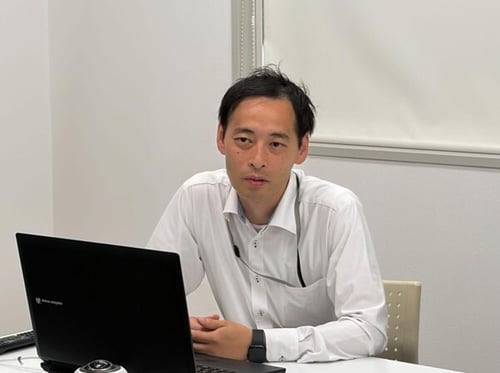
Travers Corporation, (hereinafter "Travers") handles everything from surveying to ground improvement and retaining wall construction, operating broadly across the Kanto region as well as Tokai, Kansai, Tohoku, Chugoku, and Kyushu. The company undertook a cloud migration when the maintenance period for its core systems' VMware¹ environment reached its end-of-life. AsiaQuest joined the project as a hands-on partner under a multi-vendor² structure, responsible for presenting optimal migration plan options, executing the migration, and supporting in-house development.
*¹ VMware: A leading virtualization platform software that runs multiple virtual machines on physical servers. Many companies have adopted it as the foundation for on-premises core system infrastructure.
*² Multi-vendor: A structure in which multiple vendors share responsibilities to build a single system or project.
Background & Purpose
Leveraging the license renewal timing to explore migration from on-premises to AWS and optimize infrastructure costs
As the VMware-based core systems running on Travers's internal servers approached their license renewal period, the company began considering a migration to AWS that would also include a review of operational costs. AsiaQuest, an AWS Advanced Tier Services Partner with an extensive track record in AWS, was engaged to provide technical support. The project launched under the following constraints: "migrate to AWS within three months," "multi-vendor structure," and "a reliable cutover that does not disrupt business operations."
Role
Migration, investigation, and documentation — participating as a "hands-on partner"
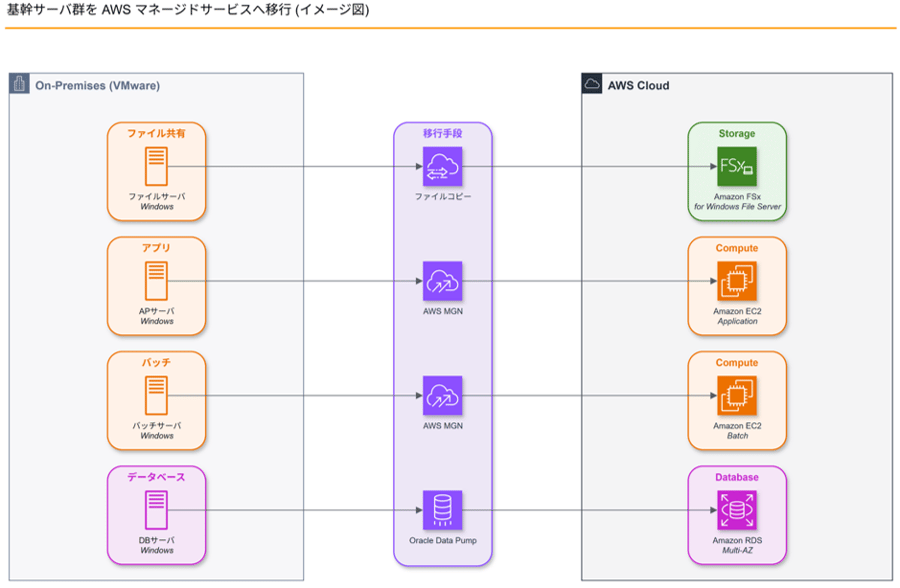
[1] Presenting infrastructure migration options — For server migration, AWS MGN (clone-based) was proposed to meet the requirement of preserving OS and middleware versions. For DB migration, two plans were presented, with each plan's acceptable downtime, data volume, and preparation effort made visible before agreeing on the optimal solution.
[2] Comprehensive pre-migration review of environment differences — Parameter differences arising from the DB version upgrade and AWS RDS-specific constraints were identified before the production cutover, and affected areas were shared with the client early, with a response policy agreed upon. This eliminated "unknowns that can only be discovered by actually running it."
[3] Closed-loop confirmation of boundary issues — Work boundaries between multiple vendors (security group design, AD integration procedures, cutover day timetable, etc.) were documented, and a practice was established in which both parties cross-confirmed their respective responsibilities through Travers. This prevented any misalignment in understanding.
In parallel, skill transfer was carried out with an eye toward enabling the client — who had no prior cloud experience — to operate independently (in-house), laying the groundwork for co-creating value with Travers.
System Overview
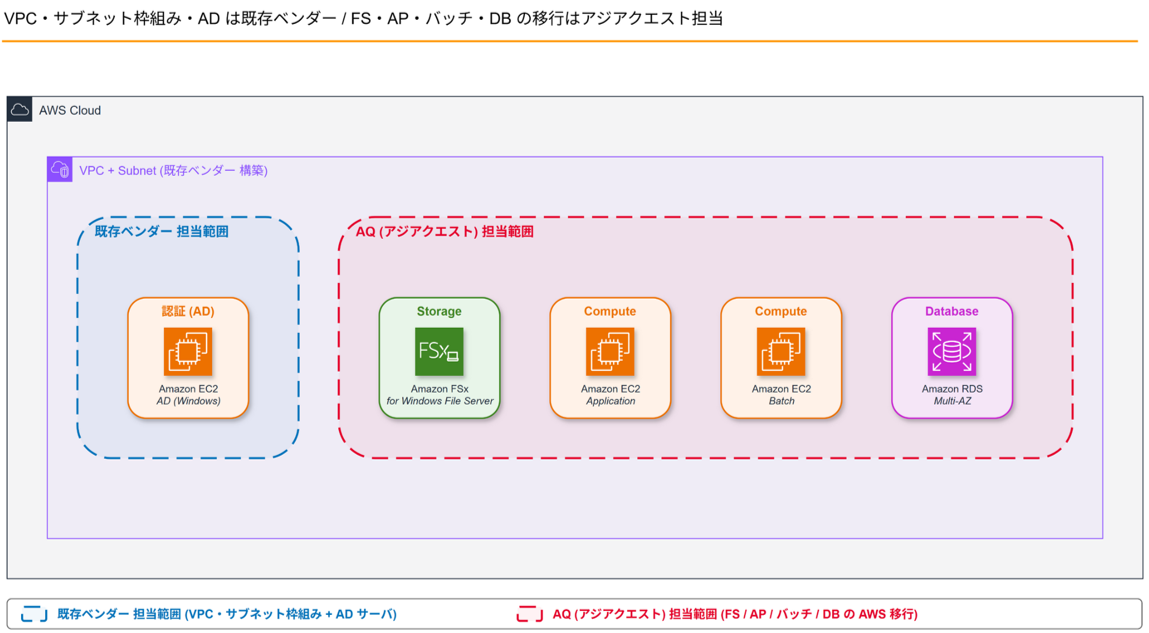
Of the five types and five core servers (AD / File / Application / Batch / DB), the existing vendor handled the network infrastructure and AD server migration, while AsiaQuest handled the remaining four types and four servers. Both companies jointly migrated the entire system to AWS.
Technical Overview (Main AWS Services Used)
The main AWS services used in this project are as follows:
- ①Amazon EC2
- Adopted as the migration destination for application and batch servers
- ②Amazon FSx for Windows File Server
- Managed file server satisfying Windows-native sharing and AD integration requirements
- ③Amazon RDS
- Managed migration destination for the database; backup, patching, and redundancy via Multi-AZ deployment delegated to AWS
- ④AWS Application Migration Service(AWS MGN)※3
- Clone-based migration from on-premises to AWS while preserving OS and middleware versions
- ⑤AWS Database Migration Service(AWS DMS)※4
- Presented as the continuous replication option (Plan 2); Plan 1 was adopted for this project
- ⑥Amazon VPC / Subnets / Security Groups
- Configuration of a secure network environment
※On the data migration approach: Two plans were presented for DB migration, taking into account acceptable downtime, data volume, and preparation effort. Ultimately, the bulk export/import method*⁵ (Plan 1) was adopted for its high reproducibility in completing the migration reliably within the acceptable downtime window and its ability to minimize operational risk on cutover day.
System Architecture: Before and After Migration (On-Premises VMware → AWS)
Multi-Vendor Responsibility Breakdown (AsiaQuest / Existing Vendor)
*³ AWS Application Migration Service (AWS MGN): An AWS-managed migration service that migrates on-premises environments to AWS with minimal downtime, continuously synchronizing block volumes and launching on EC2 at cutover.
*⁴ AWS Database Migration Service (AWS DMS): An AWS-managed service that enables continuous DB replication from on-premises to the cloud.
*⁵ DB Bulk Export/Import Method: A migration approach that exports the entire database to a file in one batch and imports it at the destination. It is well-suited for ensuring data consistency with large-scale data and is easy to complete reliably within a defined downtime window.
Brand Experience
AWS migration completed in approximately 2.5 months. Foundation for in-house operation and continued expansion is in place.
Short-term migration and elimination of anxiety
AWS migration was completed in approximately 2.5 months. By finishing construction and verification within the first month and dedicating the remaining 1.5 months to rehearsals and pre-migration review, the team was able to move forward with confidence heading into the production cutover.
Production cutover with minimal business impact
By reusing the environment built during rehearsal directly for production, the actual cutover was completed in roughly half the anticipated time (approximately 4 hours), minimizing disruption to normal business operations.
Server cost optimizationThe infrastructure overhaul enabled optimization of server costs associated with operations.
A Transparent Migration Process with No Black Boxes
Four types of servers across four machines were migrated in one go. Concerns related to the DB version upgrade (such as parameter differences) were shared and resolved in detail in advance, allowing the team to reach cutover day with full confidence.
Building Self-Sufficiency from Zero Cloud Experience
Detailed parameter sheets and migration design documents remained with the client, enabling Travers — starting from zero cloud experience — to take its first steps toward operating AWS independently and building in-house capabilities.
Outlook for the future
Continued hands-on support after migration completion, through data utilization and operational maintenance
-
Operations & maintenance support — Ongoing support for daily AWS environment operations, incident response, and patch management
-
AWS optimization phase design & implementation — Sequential implementation of backup, cost, and operational designs
-
AI utilization consultation — One-stop support in coordination with a dedicated department, from identifying applicable business areas to prototyping
Immediately after completing the migration, Travers began the "AWS Optimization Phase," which includes backup design, cost optimization, and operational design. Exploration of business efficiency improvements through AI utilization is also underway simultaneously. AsiaQuest will continue to serve as Travers's co-creation partner going forward.
Testimonial
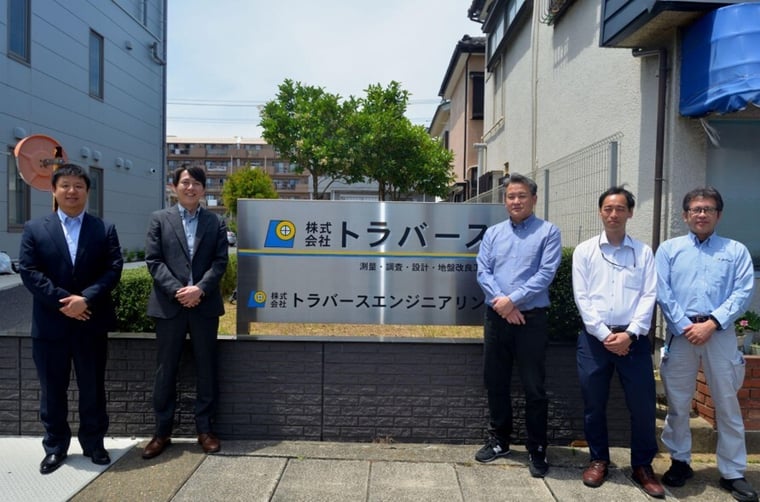
Feedback From Our Customer
Our core systems are the backbone of our business operations, and migrating them was a major decision. The fact that we were able to view the timing of the maintenance deadline and license renewal not merely as a routine update, but as an opportunity to optimize operational costs and build a foundation for the future, was entirely due to AsiaQuest's careful presentation of multiple options and the rationale behind each. Even within the challenging multi-vendor structure, they kept the big picture in view, clearly defined each party's role, and completed the migration in the short span of approximately 2.5 months without interrupting our business. We feel greatly reassured to have gained a reliable, trusted hands-on partner we can count on. This migration is an important first step in our company's DX journey. Building on the robust foundation they constructed and the support oriented toward in-house capability, we intend to move forward with leveraging the cloud for business efficiency improvements and new business development. We look forward to your continued partnership as our co-creation partner for years to come.
Toshifumi Hirama / Managing Director
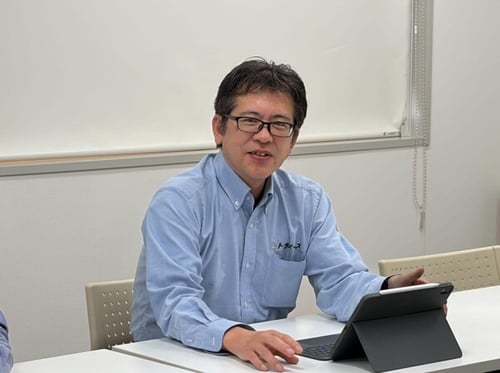
I am both greatly surprised and deeply grateful that we were able to complete the migration of our core systems from a long-standing VMware environment to AWS — under a multi-vendor structure — in just 2.5 months. With the anxiety that naturally comes with a first-ever AWS implementation, AsiaQuest provided support that was with us every step of the way. Their proposals were always well-grounded, whether in the WBS or migration methodology, which allowed us to drive the project forward without hesitation even amid a complex structure. I hope we can continue walking this path together — building on the robust foundation constructed this time and leveraging cloud-native capabilities to further expand our operations and advance our DX initiatives.
Taizo Nakamura / General Manager, Systems Development Department
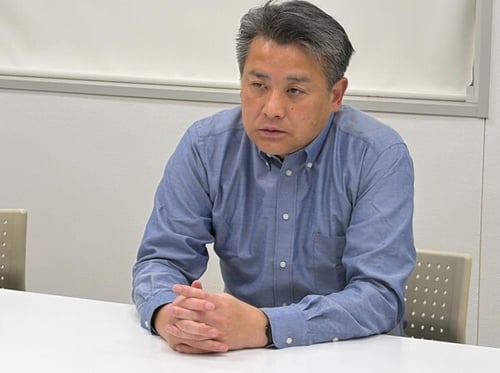
The balance between thorough preparation and speed was excellent throughout the migration work, and they always proceeded with our company's interests in mind. When issues were discovered through our own verification testing of the core systems, they responded appropriately with clear rationale, which allowed us to carry out the migration with full confidence. Although a minor issue did occur on the first day of migration, they responded swiftly and sincerely, and incorporated it into subsequent improvements, enabling us to achieve stable ongoing operations. I am deeply grateful for their support throughout the entire project. The systems have been running stably since the AWS migration, and I feel that it has laid the groundwork for future operations and expansion.
Tsutomu Ogasawara / Manager, Systems Development Division